

Cellular & No-WiFi Vacation-Home Monitors
A water leak detector that depends on a home’s WiFi network is only as reliable as that network — and for a vacation home, cabin, or rental property that sits empty for weeks at a time, that is a significant gap. Cellular water monitors solve this by connecting through a built-in SIM and a cellular data plan instead of the property’s internet, so monitoring continues even if the router loses power, the internet bill goes unpaid, or WiFi was never installed in the first place. This page compares how cellular monitors differ from WiFi-only systems and what to weigh before choosing one for an unattended property.
Read this before you shop the category. Cellular monitoring is the right concept for an empty property, but when we checked every product currently listed in this category against the manufacturers’ own text, none of them has a cellular radio or SIM. Listings that appear cellular at a glance are almost always describing the 2.4GHz WiFi band, not 4G. What the market actually offers here is long-range radio to a hub, local-alarm-only units, and conventional WiFi — and where a cellular link exists at all it sits in a hub sold separately, not in the sensor. The rest of this page explains how the technology works and what to weigh; our comparison table sets out the three approaches you can actually buy today.
How Cellular Water Monitors Work
A cellular water monitor pairs a moisture or flow sensor with a built-in cellular radio and SIM card, similar in concept to a cellular security camera. Instead of routing an alert through a home router and the property owner’s internet service, the unit communicates directly over a cellular carrier’s network — commonly LTE-M or a similar low-power cellular standard built for infrequent, small data transmissions rather than continuous streaming. When the sensor detects moisture, an abnormal flow pattern, or a triggering condition, it sends the alert over the cellular connection to the manufacturer’s servers, which push a notification to the owner’s phone through an app, text message, or both.
Research-based comparison — we have not physically tested these products. Our analysis uses manufacturer specifications, manuals, warranty/support policies, safety certifications, independent test data where available, and current marketplace availability.
Because the monitoring path does not touch the property’s own internet connection, a cellular monitor keeps working through the failure modes that most commonly affect vacation properties: a router that loses power in a storm, an ISP account that lapses because no one is checking the mail, or a WiFi network that was never set up because the property is used infrequently.
Key Decisions Before You Compare Models
Cellular backup vs. WiFi-only
A WiFi-only sensor is only useful while the property’s internet connection stays up. A cellular system, or a hybrid that uses WiFi when available and falls back to cellular when it is not, keeps reporting through the exact outages — power loss, router failure, lapsed internet service — that are most likely at a property no one is actively managing.
Power-outage and battery-backup duration
An unattended property can lose power for days without anyone noticing. Check the manufacturer’s rated battery-backup runtime for the base unit or hub — a system that holds a charge for only a few hours provides little protection during an extended outage, which is precisely when monitoring matters most.
Remote monitoring without a smart-home hub
Most cellular monitors are designed to work standalone, sending alerts directly to a phone app without requiring a separate Zigbee, Z-Wave, or WiFi hub on-site. This is a meaningful simplification for a property that is not otherwise set up as a smart home, since there is no local hub to configure, power, or troubleshoot remotely.
Ongoing cellular data cost
Unlike WiFi-only sensors, which are typically free to run once purchased, cellular monitors generally require a monthly or annual data subscription to keep the cellular connection active. This is a real ownership cost to budget for, separate from the hardware price, and it should factor into any comparison against a WiFi-only alternative.
Subscription Cost Considerations
The cellular data plan is usually billed directly by the device manufacturer rather than a traditional carrier, and pricing structures vary: some charge a flat monthly fee, others bill annually at a discount versus paying monthly, and a few bundle a set number of years of connectivity into the up-front hardware price before requiring renewal. Because this fee recurs for as long as the monitor is in service, it is worth comparing across the expected ownership life of the device rather than judging hardware price alone — a monitor that costs less up front but carries a higher recurring fee can cost more over a five-year span than a pricier unit with a lower subscription rate.
It is also worth checking what happens if a subscription lapses — whether the device stops reporting entirely, falls back to local-only alerts, or retains some reduced functionality. This detail is usually found in the manufacturer’s terms of service rather than the product listing itself.
Installation for Unattended Properties
Because these systems are frequently installed at properties the owner does not visit often, confirmation of setup matters more than at a primary residence. Look for models that send a confirmation alert once cellular signal is established, so installation can be verified before leaving, and models with a visible signal-strength indicator, since cellular coverage varies by location — a rural or mountainous property may have weaker coverage than the carrier’s general coverage map suggests. Placement near the main water shutoff or the most leak-prone fixtures follows the same logic as standalone detectors, covered on our Standalone Water Leak Detectors page.
Pairing With Automatic Shutoff
An alert with no one on-site to act on it has limited value if a leak is actively flooding an empty property for days before anyone can respond. For that reason, cellular monitoring is frequently paired with an automatic shutoff valve that closes the water supply the moment a leak is detected, rather than waiting for a plumber or neighbor to arrive. Our Automatic Water Shutoff Valves and Detector + Shutoff Combo Systems pages cover systems built for this pairing, and our buying guide for vacation homes without WiFi covers combining cellular monitoring with automatic shutoff.
Typical Price Range
This is where expectation and market reality diverge, so it is worth being precise. A true cellular monitor — one with its own LTE radio and SIM — carries both a hardware premium and a recurring data plan. But the retail catalog for this category does not currently contain one. What is actually listed is inexpensive: the great majority sits in the under-$30 and $30-75 tiers, because it consists of local alarms and long-range radio sensors rather than carrier-connected hardware. Only a handful of listings reach the $75-200 and $200-500 tiers, and those are whole-home flow monitors with automatic shutoff rather than cellular devices. If you are budgeting for a monitor with a data plan, budget for the hub rather than the sensor — YoLink lists a Cellular Hub among its hub options — and confirm the subscription terms with the manufacturer, since no sensor listing discloses them. Our comparison table documents this finding in full and sets out the three approaches the market does offer.
Who Should Not Buy a Cellular Monitor
For a primary residence with stable WiFi and someone present most days, a cellular monitor’s added cost and recurring fee rarely buy meaningfully better protection than a WiFi-only sensor, since someone is available to notice and respond to a WiFi outage. Cellular monitoring earns its cost specifically where a property sits unattended for extended stretches and connectivity cannot be assumed to stay up.
Common Questions
Do cellular water monitors require WiFi at all?
No. Cellular monitors function without a WiFi connection, using a built-in SIM and cellular data plan instead. Some hybrid models use WiFi when available to save on data usage, but the cellular connection is what keeps the device reporting when WiFi is not present or goes down.
How much does the cellular data plan typically cost?
A cellular device carries a recurring data cost that a WiFi device does not, since someone has to pay the carrier. That cost is separate from the hardware purchase and continues for as long as the device is in active use. We do not publish a figure for it: no listing in this category discloses a subscription price, and the amount depends on the carrier agreement behind whichever hub or service you buy into. Ask the manufacturer directly what the plan costs, whether an annual term is discounted, and what happens to the device if the subscription lapses — that last answer varies more than buyers expect.
How long does the battery backup last during a power outage?
This varies significantly by model, from a few hours to several days on a single charge. Because vacation properties can go unchecked for extended periods, checking the manufacturer’s rated battery-backup duration is more important here than for a monitor at a regularly occupied home.
Is a cellular monitor enough on its own, or do I need a shutoff valve too?
A cellular monitor alerts you to a leak but does not stop the water. For a property no one can reach quickly, pairing the monitor with an automatic shutoff valve prevents extended flooding between the alert and someone physically arriving to close the supply.
Compare them
The finder below is already scoped to this class — 18 of the 988 products in the corpus. Widen or narrow it from there, or open the full leak detection finder to search everything at once. Every result is placed against the median for its own size band, where that band holds at least eight products with a stated figure.
18 products match

Flood Buzz Small Water Leak Detectors for Homes & Businesses – 12-Pack | No Setup Required – Patented Design – Under Sink, Toilet, Basement, RV, Water Heater, Dishwasher – Reusable Alarm
Weight
0.05kg
Too few products in this class to publish a baseline.
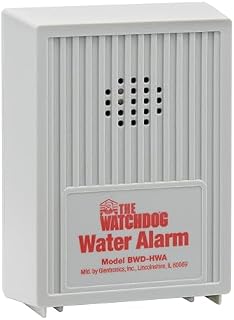
The Basement Watchdog 110 dB Water Alarm w/Detachable Sensor for Hard-to-Reach Areas (BWD-HWA)
Weight
0.13kg
Too few products in this class to publish a baseline.

Water Leak Sensor Detector Flood Alarm for Basement RV Moisture 120dB Work Alone Battery Operated 3 Packs
Weight
0.05kg
Too few products in this class to publish a baseline.

YoLink Smart Home Starter Kit: SpeakerHub & Water Leak Sensor 4 with 105dB Audio Alarm 3-Pack, SMS/Text, Email & Push Notifications, Freeze Warning, LoRa Up to 1/4 Mile Open-Air Range, w/Alexa, IFTTT
Weight
Not stated
This listing does not publish a figure, so it cannot be placed against the baseline.

Zircon Leak Alert Water Leak Detector & Flood Sensor Alarm/Water Leak Sensor with Dual Leak Alarms 90Db Audio/Battery Powered (2 Pack) Batteries Not Included (72311) White
Weight
Not stated
This listing does not publish a figure, so it cannot be placed against the baseline.
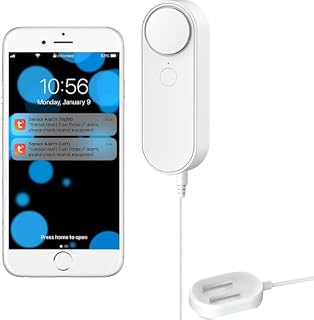
Multifunctional WiFi Water Leak Detector, 6.5ft Split Drip/Leak Detection Cable, Dual Interface, Expandable, Smart Leak Sensor Alarm, AAA Battery Powered, APP Monitoring, Over 5 Months Standby
Weight
Not stated
This listing does not publish a figure, so it cannot be placed against the baseline.

GoveeLife Water Leak Detector with 105dB Adjustable Alarm, Water Alarm with Dual Sets Sensor Probes Leaks and Floods. Suit for Home, Basement, and Kitchen(Cannot Connect to Wi-Fi Directly)
Weight
Not stated
This listing does not publish a figure, so it cannot be placed against the baseline.

GoveeLife Water Leak Detector 1s with 4.92 ft Sensor Cable, Water Sensor with 105dB Adjustable Alarm, 5-Year Battery Life, IP67 Waterproof, Suitable for Homes & Basements
Weight
Not stated
This listing does not publish a figure, so it cannot be placed against the baseline.

THIRDREALITY Zigbee Smart Watering Kit Pro for Potted Plants, Indoor Plant Watering System, Hub Needed, Compatible with Echo Devices with Zigbee Hub Built-in,Home Assistant,SmartThings, Hubitat, Homey
Weight
0.17kg
Too few products in this class to publish a baseline.

20pc Water Level Sensor Detector Rain Drop Depth Detection for Arduino
Weight
0.10kg
Too few products in this class to publish a baseline.
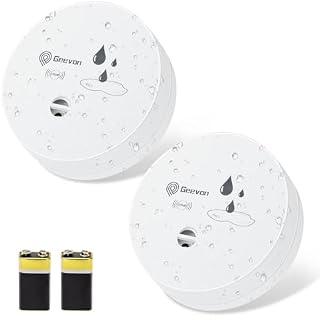
Geevon 2 Pack Water Leak Detectors, 100dB Water Sensor Alarms Flood Detector for Basements, Bathrooms, Laundry Rooms, Kitchens, Garages, and Attics, Water Alarms Battery-Operated (Battery Included)
Weight
0.09kg
Too few products in this class to publish a baseline.
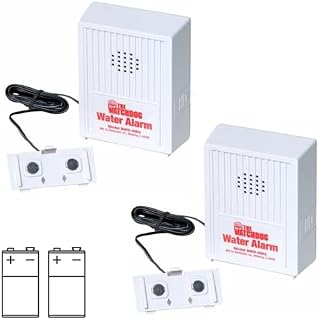
(2) Glentronics Watchdog BWD-HWA Water Sensor Alarm & (2) 9V Batteries
Weight
Not stated
This listing does not publish a figure, so it cannot be placed against the baseline.