

Detector + Shutoff Combo Systems
Detector + shutoff combo systems pair leak sensing and automatic water shutoff into one connected product line, designed and sold together as a single ecosystem rather than separate parts you assemble yourself. That integration is the core appeal — the valve and sensors are built to communicate out of the box — but it also means you’re committing to one manufacturer’s approach to sensing, connectivity, and in some cases ongoing subscription requirements. If you’d rather choose detection and shutoff hardware independently, see the separate standalone detector and automatic shutoff valve hubs. Research-based comparison — we have not physically tested these products. Our analysis uses manufacturer specifications, manuals, warranty/support policies, safety certifications, independent test data where available, and current marketplace availability.
How Combo Systems Work
A combo system centers on a main shutoff valve, typically installed at the water main, that’s paired with the manufacturer’s own leak sensors, its own app, and often a hub or bridge device that ties everything together. When a paired sensor detects moisture, or when the system’s built-in flow monitoring identifies a pattern consistent with a leak, the valve closes automatically without requiring you to manually intervene. Some systems extend this further with proactive checks — automatically closing the valve overnight or while you’re away and briefly reopening it on a schedule to test for pressure drops that would indicate a hidden leak.
Because the valve, sensors, and software are designed together, setup is generally more straightforward than pairing a standalone valve with third-party sensors — but you’re also more locked into that manufacturer’s hardware and pricing for any future expansion.
Key Decisions Before You Compare Models
Subscription-Required vs. Subscription-Free
Some combo systems require an ongoing monthly or annual subscription to unlock remote monitoring, cellular backup alerts, or advanced leak analytics, while others operate fully on local WiFi with no recurring fee for core functionality. Confirm exactly which features sit behind a paywall before comparing sticker prices, since a cheaper unit with a mandatory subscription can cost more over several years than a pricier subscription-free system.
Compatible Plumbing Materials
Combo valves are engineered for specific pipe materials — PEX, copper, or CPVC — and not every valve fits every material without an adapter kit. Confirm your home’s plumbing material and the valve’s supported fitting types before ordering, since retrofitting the wrong valve can mean returning it or paying for extra adapter hardware.
Flow-Sensing vs. Point-Sensor Triggered Shutoff
Flow-sensing systems monitor water usage patterns at the main line and infer a probable leak from unusual continuous flow, catching issues anywhere in the home’s plumbing without needing a sensor at every location. Point-sensor triggered systems only shut off water when a physical sensor placed at a specific spot actually gets wet, which is more precise about location but blind to any leak outside sensor placement.
Whole-Home vs. Single-Appliance Combo Kits
Whole-home combo kits install at the main line and protect the entire house through one valve and a broader sensor layout. Smaller combo kits are scoped to a single high-risk appliance, like a water heater, pairing a dedicated valve with one or two nearby sensors — a lower-cost entry point if whole-home coverage isn’t the immediate goal.
Ecosystem Lock-In and Expansion
Because combo systems are sold as an integrated whole, expanding coverage later generally means buying more of the same manufacturer’s sensors rather than shopping for the cheapest compatible option on the market. Before committing, check how many additional sensors the base hub or valve can support, what those additional sensors typically cost, and whether the system integrates with broader smart-home platforms if that flexibility matters to you. Our detector vs. shutoff valve comparison is a useful reference if you’re still weighing whether an all-in-one system is worth the tradeoff versus assembling standalone components yourself.
Installation Considerations
Most whole-home combo valves install at the main line and, because they involve cutting into an active water supply and often require electrical power nearby, professional installation is common even when a product is marketed as DIY-friendly. Confirm the valve’s pipe size and fitting type against your home’s plumbing before purchase, and budget for professional installation if soldering or complex fitting work is involved. Single-appliance combo kits are typically simpler, often using push-fit or compression connections that fit within a homeowner’s existing supply line without modification.
Typical Price Range
Scope is what sets the price here. Combo kits scoped to a single appliance — a water heater, an ice maker, a washing machine — are the most common listings and sit mainly in the $75-200 tier. Whole-home systems that install at the main line and add flow monitoring occupy the $200-500 tier, with a handful of the best-known smart systems in the $500+ tier. The category also carries a long tail of inexpensive listings under $30 that are usually components or accessories rather than complete detector-and-valve systems, so read what is actually in the box before comparing on price alone. Subscription requirements are the cost that does not show up in the sticker price: some systems need one for full functionality and some explicitly do not, and terms change more often than hardware, so confirm them with the manufacturer rather than from any comparison page. Current prices are on Amazon; the full comparison table shows which products sit in which tier and which are whole-home versus appliance-scopedng.
Who Should Consider a Different Category
If your budget only supports alarm-only protection for now, or you’re renting and can’t modify plumbing, a standalone detector gets you meaningful coverage without the investment or installation commitment of a combo system. If you already own leak sensors you’re happy with and only need the shutoff half, a dedicated automatic shutoff valve may let you avoid replacing hardware you’ve already invested in.
Common Questions
Do all combo systems require a subscription?
No. Some manufacturers offer full core functionality — including automatic shutoff — over local WiFi with no recurring fee, while others gate features like cellular backup alerts or extended historical usage data behind a paid tier. Always check the manufacturer’s current subscription terms, since what’s included free can change over time.
Can I add more sensors to a combo system later?
Most systems support adding sensors after the initial purchase, though there’s typically a maximum number the hub or valve can pair with. Additional sensors generally must come from the same manufacturer to ensure compatibility with the system’s app and shutoff logic.
Will a combo system work with my home’s plumbing material?
It depends on the specific valve and your plumbing material — PEX, copper, and CPVC each require different fittings. Check the manufacturer’s specifications for supported materials and whether adapter kits are included or need to be purchased separately.
What happens if the combo system loses WiFi?
Behavior varies by manufacturer. Some systems continue local point-sensor-triggered shutoff even without internet, since that logic can run on the local hub, while remote notifications and flow-anomaly detection that relies on cloud processing may pause until connectivity is restored. Confirm this specifically in the product manual if offline reliability matters to your situation.
Compare them
The finder below is already scoped to this class — 82 of the 988 products in the corpus. Widen or narrow it from there, or open the full leak detection finder to search everything at once. Every result is placed against the median for its own size band, where that band holds at least eight products with a stated figure.
82 products match

2 Pack Water Leak Detector – 95 dB Flood Detection Alarm Sensor for Bathrooms, Basements, Laundry Rooms, Garages, Attics and Kitchens by Mindful Design (White, 2 Pack)
Weight
0.24kg
Combo systems · 150-400 g · 9 products
Weight is -11% against the class median of 0.27.

NEO Zigbee Water Sensor, Smart Water Leak Detector for Home, Requires Zigbee Hub, Compatible with SmartThings and Home Assistant (ZHA & Z2M)
Weight
0.13kg
Combo systems · under 150 g · 17 products
Weight is +117% against the class median of 0.06.

Water Leak Detector Sensor Alarm: Home Water Flooding Monitor Smart Sink Overflow Monitoring Adjustable Wet Moisture Alert Pipe Leakage Drip Detection Warning for Basement Floor
Weight
0.09kg
Combo systems · under 150 g · 17 products
Weight is +50% against the class median of 0.06.

Water Leak Detector with Loud Alarm, 100dB Siren & LED Flash, Water Sensor Alarm for Home, Basement, Sump Pump, Kitchen, Bathroom, RV, Water Heater, Indoor Outdoor 3-Pack
Weight
0.07kg
Combo systems · under 150 g · 17 products
Weight is +13% against the class median of 0.06.

TECKNET Water Leak Detectors for Home, 120dB Water Sensor Alarm Leak Detector, IP66 Waterproof, Water Leak Detectors for Bathroom, Sink, Laundry, Window, Basements, Kitchens(3 Pack, Battery Included)
Weight
0.28kg
Combo systems · 150-400 g · 9 products
Weight is +3% against the class median of 0.27.
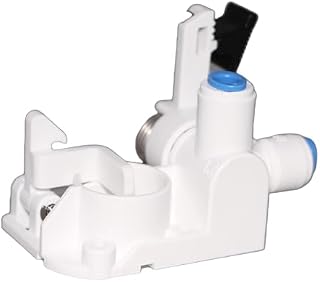
Innovative Automatic Water Leak Detector with Shut-Off Valve, Expanding Pad, Maintenance-Free, Quick Leak Response, Compact & Reliable Water Protection
Weight
0.09kg
Combo systems · under 150 g · 17 products
Weight is +43% against the class median of 0.06.

Sonin Water Alarm – 85 dB Leak Detector with for Early Water Detection, 24 ft Sensor Cable for Hard-to-Reach Leak Areas (00800)
Weight
0.07kg
Combo systems · under 150 g · 17 products
Weight is +13% against the class median of 0.06.

FloodStop Water Sensor, Wired
Weight
Not stated
This listing does not publish a figure, so it cannot be placed against the baseline.

X-Sense Water Leak Detector for Basements, Sinks, Tanks, Pools, No WiFi, Not Compatible with X-Sense Base Station, Model WS01
Weight
Not stated
This listing does not publish a figure, so it cannot be placed against the baseline.

Underground Water Leak Detector, Adjustable Sensitivity Non-Destructive Metal/Plastic Water Pipe Leak Detector Locator for Commercial Residential Plumbing Floor Heating, Noise-Cancelling Headset
Weight
Not stated
This listing does not publish a figure, so it cannot be placed against the baseline.

VEVOR Pipe Water Leak Detector for Outdoors, 1Hz-10000Hz, 7" Touchscreen Water Leakage Detection Locator for 16.4FT (5m) Underground Plumbing – with Medium Sensor, 3 Listening Rods, Headphone & Case
Weight
6.50kg
Too few products in this class to publish a baseline.
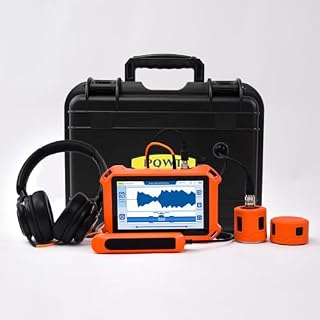
Underground Water Leak Detectors for Home PQ125A Wall Pipe Water Leakage Detection with Touchscreen Earphone and Carrying Case Multi Sensor Acoustic Pipeline Sound Intensifier
Weight
5.35kg
Too few products in this class to publish a baseline.