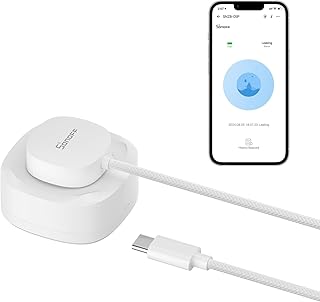
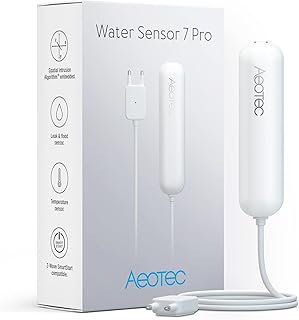
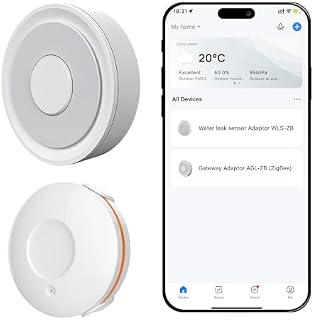
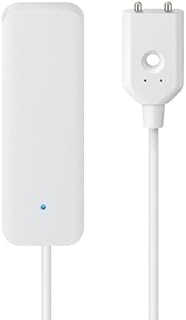
Z-Wave Water Leak Sensor Prices: Zigbee Sale Tracker
Every Z-Wave water leak sensor and Zigbee leak sensor we track on Amazon, with today's price, its recorded low and high, and a below usual mark when the price falls 10% or more under its own median. These sensors report to a smart-home hub rather than straight to your WiFi, so they suit a home that already runs Zigbee or Z-Wave. Starter kits that include a hub are marked Kit with hub.
50 zigbee & z-wave leak sensors listed, 49 with a current price. Median today $25.00, range $11.99 to $85.00.
Amazon.com prices as of Nov 22, 2026, 10:30 AM PT. Product prices and availability are accurate as of the date and time indicated and are subject to change. Any price and availability information displayed on Amazon at the time of purchase will apply to the purchase of this product. Links are affiliate links (disclosure).
Of the 50 zigbee & z-wave leak sensors we list, 49 have an Amazon price from the last day. Half of those cost $25.00 or less. The middle half sits between $16.14 and $39.95, and the full range runs from $11.99 to $85.00.
Typical price same as previous$13.29$62.998 in 10 priced in this rangeNo change
How far a budget goes today, in listings priced under each amount:
Under $2019 (39%)
Under $4039 (80%)
Under $8048 (98%)
The 10 listings Amazon reports at 100 or more purchases last month have a median price of $24.19, about the same as the median for the whole list.
Most bought (100+ a month)$24.19
All listings$25.00
Among the 15 documented zigbee & z-wave leak sensors priced today, the lower-priced third (median $14.43) has a median weight of 0.05 kg and the higher-priced third (median $31.99) 0.09 kg. The higher-priced group includes larger and heavier kinds of product, so the gap reflects what is sold at each price more than what extra money buys.
How to Read This Table
Price today is Amazon's price at the time shown above the table. A price more than a day old is replaced by a link to Amazon, because a stale price is worse than none.
Price range shows the lowest and highest price recorded for the listing. Below usual marks a price at least 10% under the median of five or more earlier days; lowest in N days marks a low across two weeks or more. Until a listing has that much history, the line under the range compares today's price with the previous one.
Trend draws every recorded price, oldest to newest. Filter it to see only the listings whose price is down, up or unchanged, or sort by Biggest price drop to put the largest falls first.
Documented specs, under a name, are the sensor count, the protocol (Zigbee or Z-Wave) and the stated battery life as the listing states them, for the products this site documents. Tick Only the … with documented specs to see just those rows.
Most bought, the default order, follows Amazon's "bought in past month" figure. It shows what sells, not what is best.
Is That Zigbee and Z-Wave Sensor Sale Real?
Amazon listings often show a struck-through "List" or "Was" price next to today's. That reference is set by the seller or the manufacturer, and a large gap to it says little about whether today's price is low for that listing. This table uses a different reference: the prices recorded for the listing itself, once a day. A listing earns a below usual mark only when today's price is at least 10% under the median of five or more earlier days, and a lowest in N days mark only when no lower price has been recorded across two weeks or more. Until a listing has that much history, the line under its range compares today's price with the previous check, so a fall since yesterday still shows.
Compare the price with what you already own. A bare Zigbee sensor is cheap if you have a compatible hub and costly if you do not, so a starter kit with a hub can be the better buy for a first sensor. Search for "hub" or "kit" to see those listings together.
A Cheap Z-Wave Water Leak Sensor: What to Check
The cheapest rows are bare Zigbee sensors from smaller brands. With a hub that supports them they are among the cheapest ways to cover many spots, and battery life on a low-power mesh is often long. Before you buy on price, check four things.
Hub compatibility. Zigbee and Z-Wave are different radios; a Zigbee sensor will not join a Z-Wave-only hub, and some brands' sensors only pair with their own hub. Read the listing's compatibility line against your hub.
Region. Z-Wave uses different frequencies in different countries. Buy the US version for a US hub.
Local siren. Some sensors only report to the hub; others also sound an alarm, which still works if the hub or internet is down.
Valves on the same hub. A Zigbee water valve or Z-Wave shut-off valve on the same hub can close automatically when a sensor reports water, through the hub's automation.
What the Price Does Not Tell You
Price does not tell you how well a sensor holds its connection at the edge of your mesh, how often a hub's integration gets updated, or how quickly an automation closes a valve, and none of those are published as structured figures. The Zigbee and Z-Wave hub covers compatibility in detail.
Common Questions
Zigbee or Z-Wave for a water leak sensor?
Whichever your hub supports. Both are low-power mesh radios; Z-Wave in the US runs on a sub-GHz band that is separate from WiFi, while Zigbee shares the 2.4 GHz band with WiFi. Many hubs support both.
Do Zigbee leak sensors work without a hub?
No. They need a Zigbee coordinator, which can be a dedicated hub, a smart speaker or router with a Zigbee radio, or a USB stick on a home-automation server.
Can a Z-Wave sensor shut off the water?
Not on its own. Paired with a Z-Wave shut-off valve or valve actuator on the same hub, an automation can close the valve when the sensor reports water.
How often are these prices updated?
Daily. The time each price was read is shown above the table, and a price more than a day old is replaced by a link to Amazon. A listing first seen today shows its price, and its range and trend fill in from the next update.